

















































































































































































































































































































































































































































































































































































































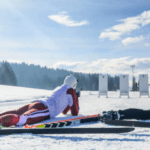


















































































































































































































































Prize money for Winter Olympians is a topic that comes up around each edition of the Games. It’s no secret Olympians aren’t as handsomely compensated as elite performers in football, basketball, or American football.
Competitors rely on grants and some have to self-fund their training to be able to maintain a standard worthy of competing in the Winter Olympics.
How Much Prize Money Do Olympians Receive?
The exact prize money earned by Winter Olympics medallists varies from country to country. Thirty-three nations will give gold medallists some amount of prize money from the national Olympic committee, the government, and/or a sponsor.
Singapore’s athletes have the largest potential prize money at $787,000. Of the 33 countries that make prize money available, New Zealand’s prize pot of $3,000 is the smallest.
Poland, who have a number of medal hopefuls at the 2026 Winter Olympics, offer the third-highest prize money for gold medallists at $355,000.
Do Team GB Athletes Receive Prize Money?
No, Team GB athletes do not receive any prize money for their Olympic performance.
Per reporting in the build-up to the 2024 Summer Olympics in Paris, Team GB athletes receive an annual stipend of £27,800 to cover training and travel costs. There are no bonuses based on performance.
Sponsorship is the primary means for Team GB athletes to increase their earnings. Of course, winning a gold medal opens up other earning opportunities, such as media appearances and endorsement deals.
Heading into the Games in Paris, American athletes pocketed £29,103 for each gold medal.
How Are Bonuses Calculated?
Olympic performance bonuses are calculated differently depending on the country. The U.S., for instance, pay a flat rate for every gold medal won. The Czech Republic alter the amount paid depending on the number of medals awarded, so a team sport sees a lower payout per athlete.
Athletes that win multiple medallists are treated differently, too. There are uncapped earnings in some nations, while others see their total earnings capped. Finnish athletes can only win the equivalent of two gold medals worth of prize money, for example.
What Other Benefits Are There?
Winning an Olympic medal sees long-running benefits in many countries. In Croatia, gold medallists get a monthly stipend equivalent to the country’s average net salary when they turn 55.
North Macedonians get an allowance for life and Norwegian medallists get around $17,000 per month annually.
Poland, which ranks third in total payment for its Olympic champions, continues its generosity with high-value jewellery, a Toyota Corolla, and a two-bedroom furnished apartment.
Medal bonuses are tax free in Germany. Athletes with income of less than $1 million don’t have to pay tax on their bonuses in America.
High Costs
These prize funds can add up to some sizeable numbers if a nation is fortunate to have numerous medallists. Italy paid almost $3 million out following its successful campaign in 2022.
Poland could have a costly 2026 Games if they win multiple medals. Countries like Czechia face a similar risk, despite lower prize money per athlete than Poland.